
Saskatchewan Cattle Association 2026 District Meetings

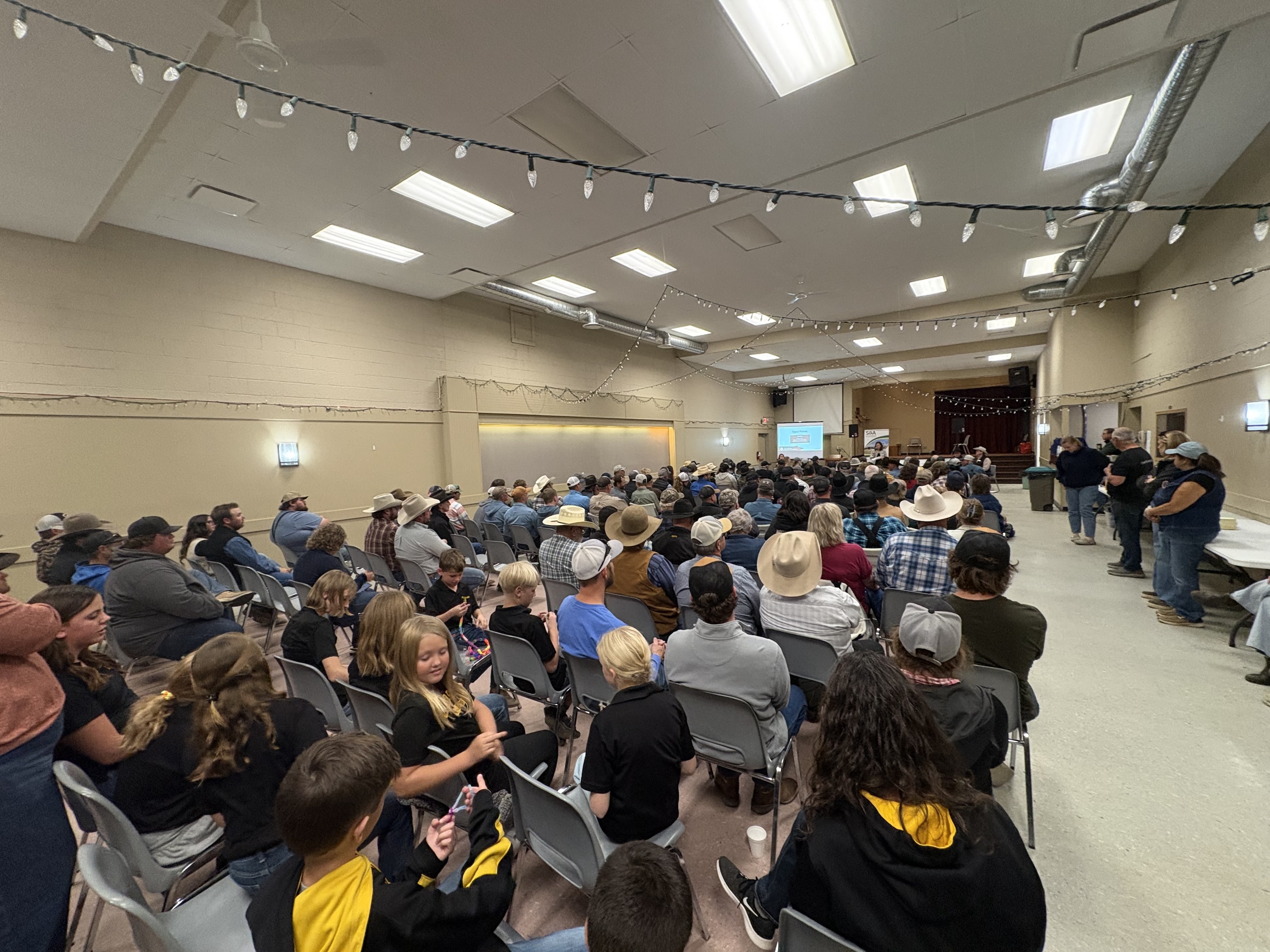
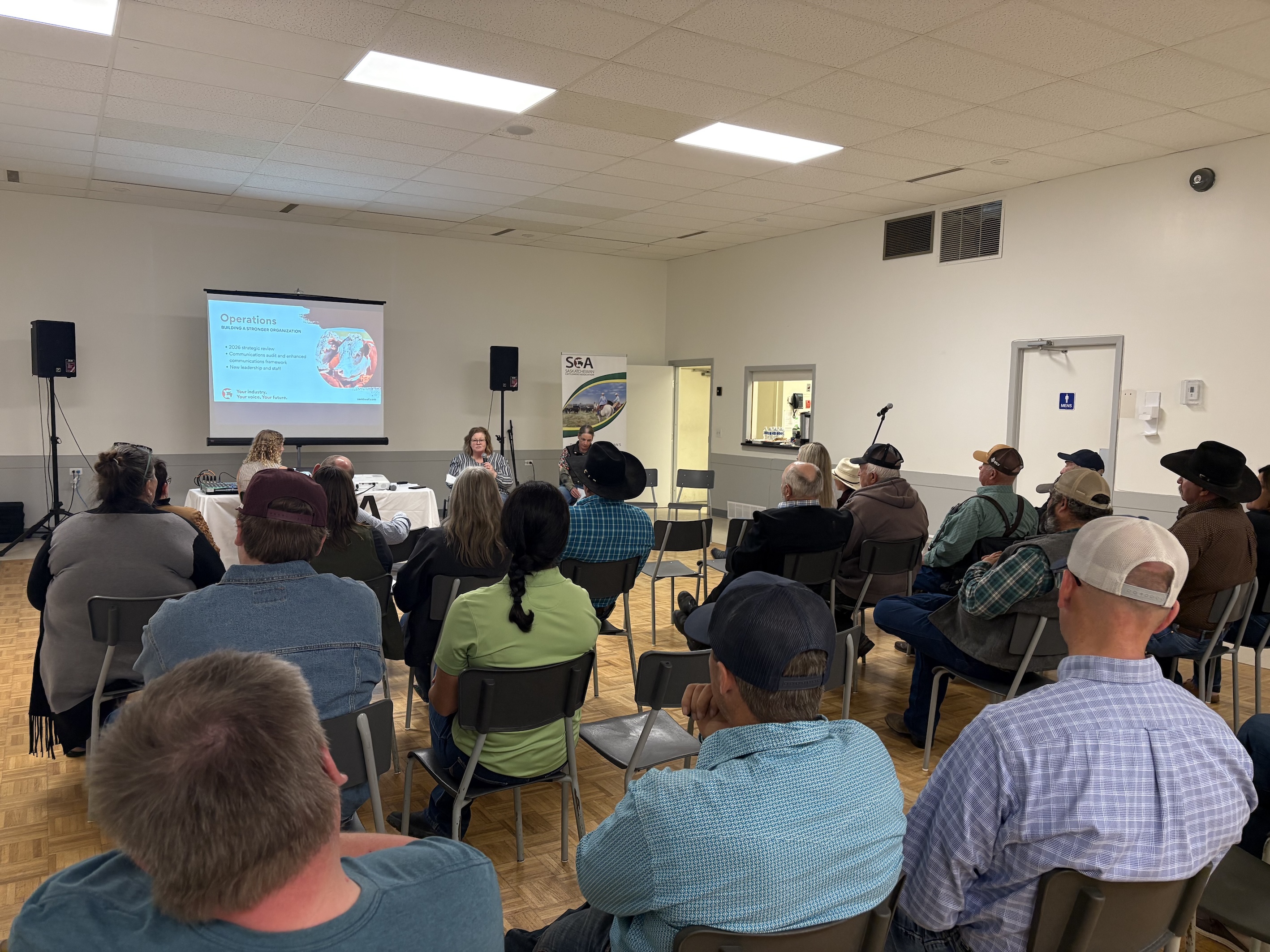
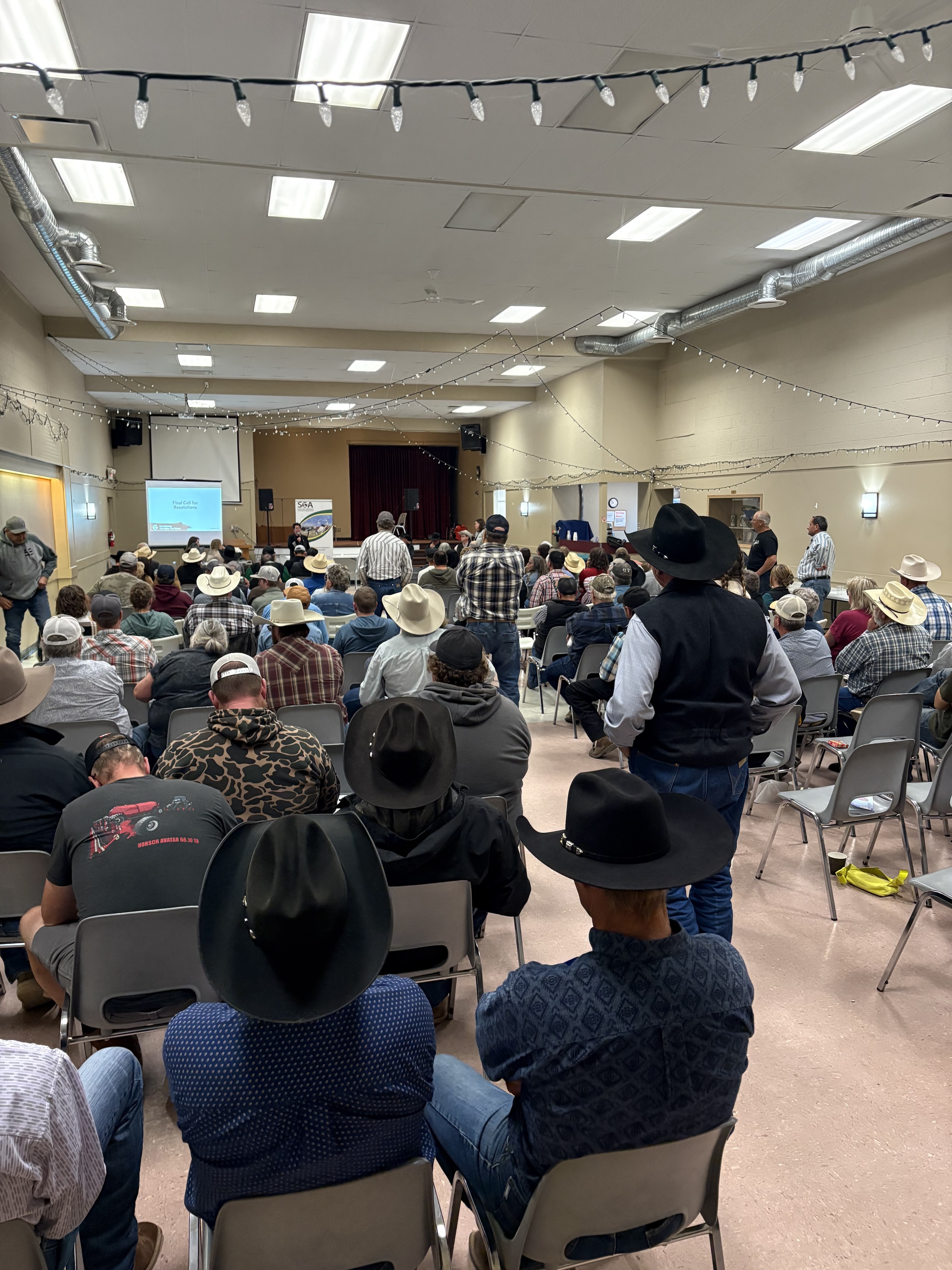
Top Themes Discussed
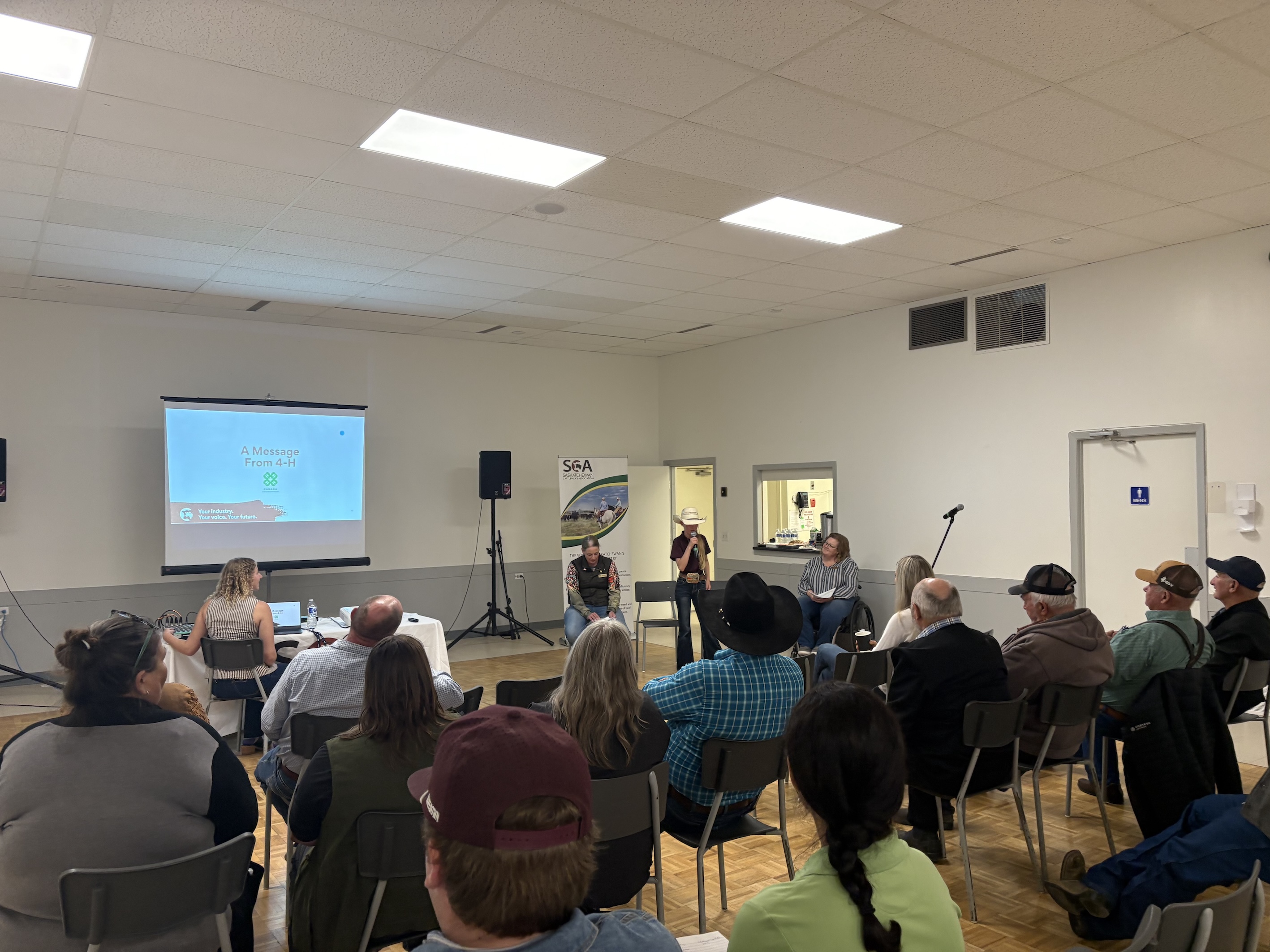
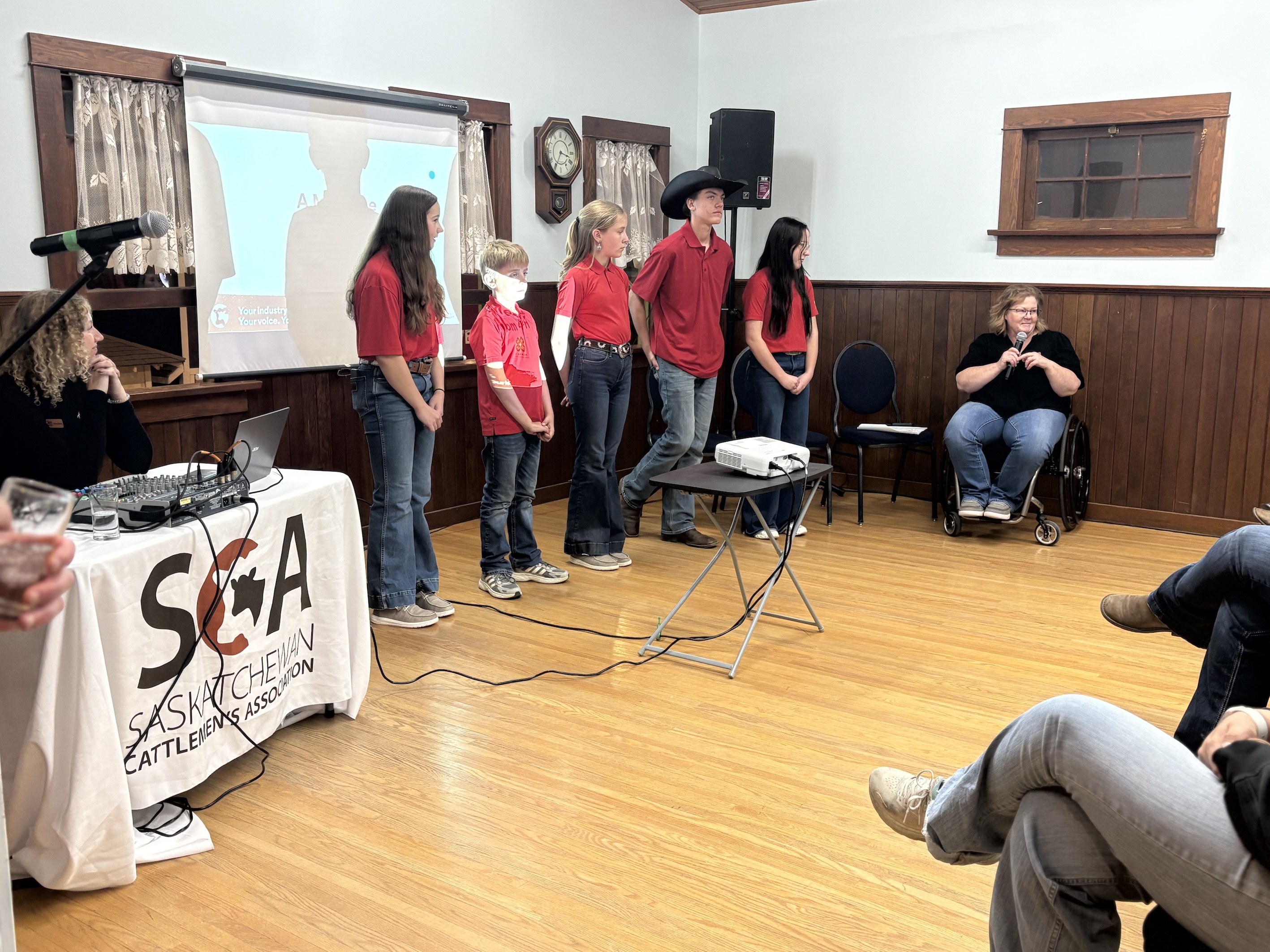
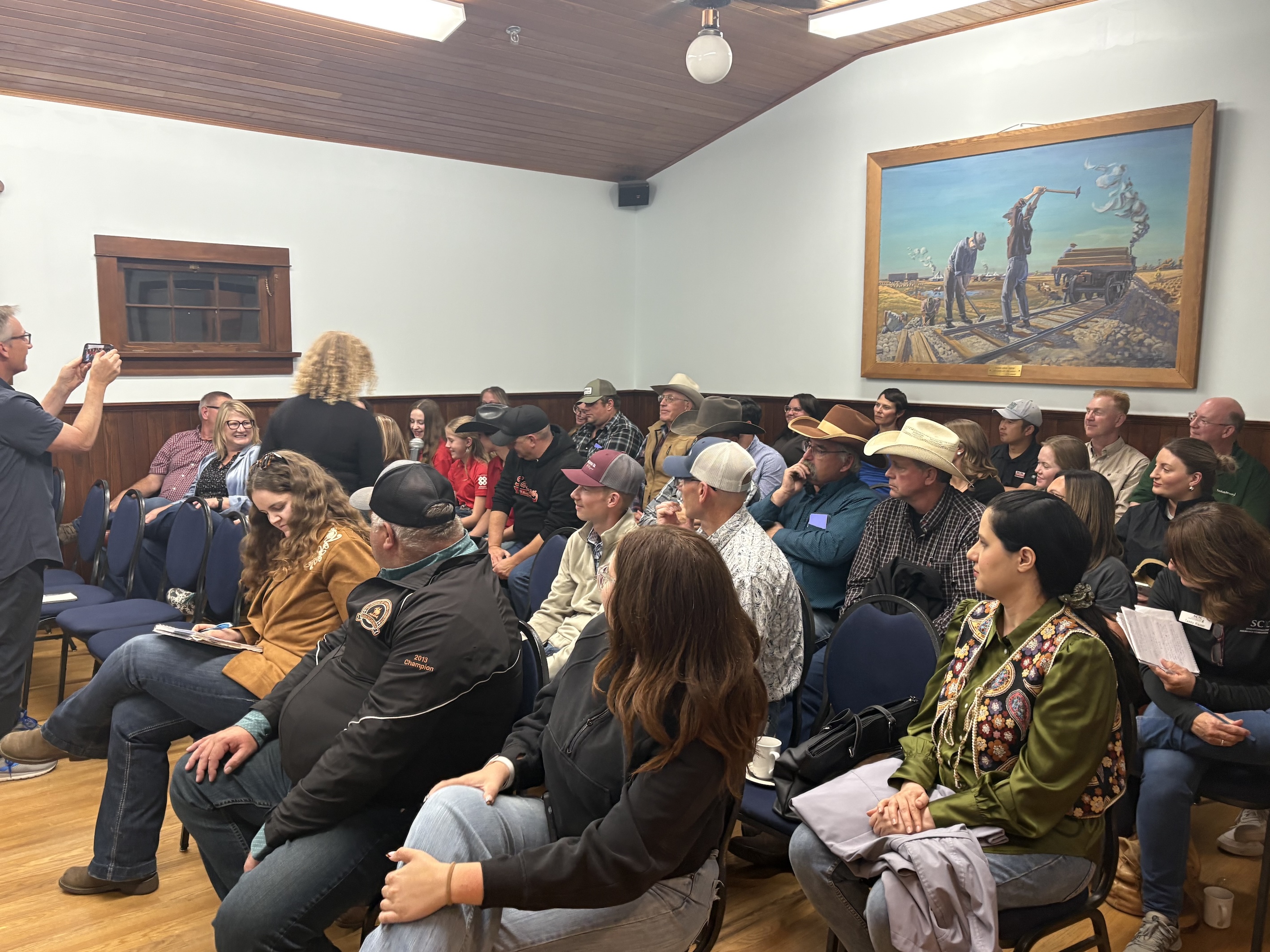
Top themes discussed at SCA 2026 district meetings
Traceability
Producers are concerned about what is required and the workload of traceability. There is broad recognition that disease preparedness, responsiveness, and market access matters; however, producers are concerned about additional regulation, reporting, and cost when they do not believe existing systems, technology, or regulators are functioning well.
Business risk management
Livestock price insurance came up repeatedly. Producers would like it to be treated more like crop insurance, including cost-shared premiums and later payment dates. There is also interest in production insurance for cattle operations, not only price insurance.
Low trust in the Canadian Food Inspection Agency (CFIA)
This is particularly strong in areas directly affected by TB investigations. Producers described slow responses, errors, poor communication, unclear protocols, inadequate compensation, and regulators who do not understand how cattle operations function. Producers called for the government to place CFIA’s live-animal/animal-health functions under Agriculture and Agri-Food Canada rather than under Health Canada (current structure).
International trade
Producers are concerned with Mandatory Country of Origin Labelling (mCOOL) and want to maintain integrated North American trade. This matters more to them than pursuing regulatory alignment with Europe. Producers also asked about imports to Canada, specifically why, as they face strict traceability, health and environmental requirements in their operations, imported animals and beef do not have to meet equivalent requirements.
Young producer entry and succession
Producers are looking for policy that helps younger producers purchase cattle, retain heifers and take over operations from retiring producers. They are concerned that high cattle values, land costs, input costs, succession rules, capital gains, and access to financing are contributing to the shrinking cow herd.
SCA communication is improving, but producers want greater accountability for outcomes.
Producers called for SCA to provide better insight into its policy activities. That is, they want to know not simply who SCA has met with, but also what was discussed and what the outcome was. Producers also raised mailing list problems, unanswered or missed communications, overreliance on social media to reach producers, lack of access to minutes/financial information, and dissatisfaction with how SCA reports back after meetings.
Many of the issues concerning beef production economics are intertwined.
For example, particularly in the southwest, producers argued that the policy environment can make breaking grass financially safer than keeping cattle on it. Grassland conservation, research, insurance and cattle profitability are linked, and producers see them as part of the same policy issue, not separate ones.
District by District Open Forum Discussion
This meeting was focused on animal health, TB, and biosecurity.
Concern about cattle reportedly coming from Oklahoma/New York into Saskatchewan feedlots, with producers questioning inspection, traceability and potential disease risks such as New World screwworm. Producers asked why Saskatchewan operations should accept more traceability requirements if incoming cattle do not face equivalent standards.
There was support for expanding the existing LSS/brand inspection information system rather than creating another reporting structure.
Producers affected by the TB investigation challenged the length and quality of CFIA's response. There was discussion about whether disease investigation should focus more clearly on containing spread and tracing contacts, since identifying the absolute original source may not always be possible. But an affected producer noted that the TB experience showed the value of traceability records because they can protect an operation by showing where cattle have and have not been.
There was discussion about making traceability more valuable to producers. For example, optional vaccination/preconditioning information flowing forward and carcass/feedlot information flowing back. Producers also discussed their desire for better tag technology, high-frequency reading, and systems that work in Saskatchewan conditions.
Producers brought up production insurance for cattle, with an emphasis on creating bankable certainty for cattle operations.
Topics of concern focused on the financial and regulatory pressures affecting cattle operations.
There was discussion and strong concern that native grassland research receives too little attention/funding, particularly given the environmental value and vulnerability of native prairie. Producers connected grassland loss to economic policy, particularly crop insurance versus the cost of cattle risk management tools. Producers argued that if cattle/grass were insured more equitably to crop production, producers would have more financial incentive to retain grass rather than cultivate it. But grassland research needs much longer time horizons than typical five-year funding cycles.
Traceability discussion included concerns that some of the new traceability requirements could be financially difficult for smaller producers. A producer asked whether these new traceability requirements would come with financial support for things like herd-management software, subscriptions, equipment, or technology. Producers also said the government needs to understand better what is and is not onerous in their day-to-day operations.
Producers questioned CFIA accountability and whether the animal health function belongs under agriculture.
There was talk of the usability and relevance of CCIA and the CLTS for ordinary cow-calf producers, as well as discussion of e-manifest and existing systems in Western Canada.
Confidentiality surrounding the traceability task force is frustrating some producers. They question how a process described as producer-led can receive input when task force members are restricted in what they can discuss.
Producers expressed strong support for two-way advocacy communication where SCA seeks input into what it should carry into government meetings, then reports on what happened afterward.
Producers had questions about increasing slaughter/processing capacity and barriers facing smaller federally inspected processors.
There was discussion of SaskPower/infrastructure costs affecting feeding operations.
Producers' concerns centred on regulatory and financial pressures, native grassland preservation and the need for stronger government accountability and producer representation.
There was open opposition to additional government interference through traceability. Significant discussion about the contradiction between producers wanting government out of their businesses while also requesting government support during droughts, BSE and other disasters. Producers also raised existing Saskatchewan/Western Canadian systems (premise ID, manifests, RFID and brand inspection) as an alternative to more regulation. Some producers argued that the traceability regulations were reasonable and intended to bring other provinces up to the level of what was happening in Saskatchewan and Alberta.
There was strong interest in moving the animal health/live animal side of CFIA back under agriculture.
Producers asked what SCA is doing about mCOOL in the U.S.
There was also discussion about whether SCA and CCA are properly aligned and whether Saskatchewan’s policy position is always being represented nationally. A key producer challenge was that SCA should not simply say where it has met, but also explain what was discussed, what SCA asked for and what was accomplished.
Producers expressed concern about government/environmental organizations buying or protecting grasslands in ways that could compete with working ranches. Producers stressed that grazing cattle help maintain functioning grassland ecosystems.
Producers expressed frustration and dissatisfaction with CFIA’s handling of TB investigations, along with questions about TB research and vaccine work.
Communication expectations came up repeatedly. This included access to information and transparent reporting on SCA’s policy positions, check-off refunds and opportunities for producer input into traceability.
The focus of this meeting centred on representation, traceability and trust. Producers want to be consulted before decisions are made, not informed after a direction has already been set.
There was significant criticism of the CCIA/CLTS survey. A selection of comments:
o Survey described as biased and leading;
o One producer said there was no meaningful option to say “I don’t report traceability and don't want to;”
o There was concern that task force members had been involved in approving the survey and concern the survey undermined assurances that nothing would proceed until the task force reported back;
o There was feedback that many ordinary cow-calf producers do not use CLTS enough for the questions to even make sense to them.
o A producer asked what proportion of calls/messages SCA received in favour of proposed traceability changes.
o They presented premise ID, manifests, brand inspection and RFID as a more practical approach to traceability. The argument was that the rest of Canada should be brought up to Saskatchewan's system.
Several producers indicated that industry organizations like SCA and CCA were not sufficiently connected to grassroots producer opinion.
Producers discussed the feedlot/TB experience. One producer said detailed records had helped defend the operation during a CFIA investigation, showing there can be producer value in traceability, but the CFIA process and compensation issues nearly destroyed the business.
Producers discussed international trade, expressing concern about EU alignment and whether European production standards could eventually make their way into Canadian agriculture, and spending time on North American trade and mCOOL.
Producers challenged the organization on communications, mentioning: meeting information not reaching people; traceability not being mentioned in earlier SCA and CCA communication; outdated/duplicate contact information; missed callbacks; and the need for a better producer database.
Producers questioned the process and timing around moving SCA board term limits from six to 10 years and raised concerns about transparency and continuity versus an “old boys club” perception.
Producers wanted much greater transparency around the refundable portion of the provincial check-off.
This meeting was particularly focused on accountability and producer control of decisions.
Discussion of traceability included questions about how the traceability task force will come back to producers and whether producers will have a meaningful opportunity to respond at each milestone. They criticized the CCIA survey as biased and as potentially contradicting earlier assurances.
o A producer with previous SCA/traceability experience strongly promoted premise ID and manifests as a simple, inexpensive national solution and specifically urged review of different models.
o There was concern that cow-calf ranches and feedlots are operationally very different, particularly when regulations involve scanning, individual animal handling and reporting.
o Producers made a strong statement that simply opposing traceability is insufficient. Rather, producers and SCA need to put forward a practical alternative.
There was strong support for treating the Canadian, American and Mexican cattle sectors as an integrated North American industry and presenting a united producer voice to governments.
Some producers had questions about research/TB vaccine.
Southwest conservation issues came up, including the Sand Hills, Cypress Hills, sage grouse and ensuring conservation policy recognizes the role of working ranches.
Producers asked for more specific reporting on what SCA accomplishes at meetings rather than a list of advocacy meetings attended. They also wanted access to minutes, financials, emails and direct information from SCA.
Some producers asked about the communications audit and what Magpie Group (external consultant) was hired to do.
They repeatedly compared cattle risk-management tools with those available to grain farmers. They supported treating livestock price insurance premiums more like crop insurance, including cost sharing and delayed interest/payment requirements.
The general focus was on organizational accountability and communications and how these affect how SCA will handle key issues. The district’s recent experience with TB also put CFIA accountability and local representation top of mind.
Governance and the board term limit change drew questions. Producers wanted to understand why the limit changed and expressed concern about losing experienced representation. This was tied directly to TB as producers felt their long-serving representative had built the knowledge and relationships necessary to challenge CFIA and worried about losing that institutional knowledge.
o Later, producers returned to organizational accountability, expressing: a lack of understanding of how term-limit changes were communicated; frustration with difficulty attending meetings/AGMs while running an operation and with checkoff refund processes; resentment when checkoff is charged repeatedly as cattle move through transactions; disappointment at the previous poor service/communication from the SCA office.
o Many expressed concern that producers repeatedly communicate an issue but still feel that their message gets lost.
o They indicated SCA needs ways for producers to participate and provide input without having to physically attend an AGM or district meeting.
Producers asked how SCA and Saskatchewan Stock Growers work together. There was sentiment that producer organizations are more effective when aligned.
Producers asked whether the traceability task force recommendations will actually return to individual producers for a vote and added a request for regular task force updates as well as questioning who selected the members.
There was significant frustration stemming from producers’ direct experience with TB investigations in the district. Producers and the outgoing district rep described very poor CFIA experiences including: unclear protocols; regulators not understanding cattle operations; poor communication; producers losing trust and, in some cases, becoming reluctant to cooperate; and inadequate compensation for feeding, cleaning/disinfection, lost income and other costs.
Producers indicated that improved LSS systems could complement broader traceability improvements.
Producers raised questions about both imported beef and Canada’s trading priorities and the potential disease risk associated with imported animal products. There was strong support for protecting unrestricted trade with the U.S. which they viewed as Canada’s natural and most important cattle market.
Producer conversations focused on beef trade, traceability requirements, and improving the financial viability of cattle operations for the next generation.
There was discussion of what and why Canada would import beef and further discussion about maintaining an affordable supply of specific cuts, such as ribeye, while exporting others to add value to the carcass, etc.
Producers had questions about traceability, the timeline, plans and the CLTS survey of producers. There was discussion about how high Saskatchewan standards are versus those of our international trading partners. They also questioned who is setting parameters for future traceability requirements and whether they are being influenced by export markets or trading partners.
Producers raised issues with the CLTS dashboard and ordering tags, as well as better communication from the CCIA.
A question was raised about those individuals affected by the recent TB investigation and whether they had finally received compensation. Frustration with the length of the investigation and compensation process was noted. There was also a comment about how new regulatory compliance can be added when existing disease-response files remain unresolved for years.
There was discussion about actions being taken to make the cattle industry more viable and affordable for young farmers. The discussion included the need for capital gains exemptions to help families pass farm operations to relatives and advocacy efforts for livestock price insurance and equitable cost-sharing programs similar to those in the crop sector.
Producers discussed whether CCA is looking closely enough at U.S. risk-management programs to find whether there are options that could be adapted to make Canada more competitive. There was particular interest in livestock price insurance, and the affordability of premiums.
Producers shared concerns about traceability, government accountability for disease compensation, and financial pressures affecting competitiveness and the next generation of cattle producers.
SCA investment in grasslands research and protection was noted as being disappointingly low, particularly given the decline of native prairie and its environmental importance. Some argued that government incentives make converting grassland to annual crop production financially less risky than maintaining cattle and grass.
Traceability discussion noted that potential changes to traceability regulations needed to be practical in terms of implementation costs for producers and making it practical for producers. Some wanted plain-language explanations of what is happening and/or what is planned.
o There were also questions about CLTS data privacy and how few producers understand the CLTS system, as well as how many experience delays ordering tags.
o Some wondered who is setting the parameters for the national traceability work and whether trading partners are driving those requirements.
CFIA structure and accountability were particularly frustrating.
o Producers argued that within the traceability system, livestock should be treated as an agricultural responsibility until animals enter the food system.
o Many CFIA personnel appear to lack practical understanding of livestock production and ranch operations, especially during disease investigations.
Producers discussed how to encourage more young people to enter beef production given high cattle values and a smaller herd.
Producers suggested work on capital gains and succession outside a simple parent-child transfer.
Producers also discussed business risk management, including: comparison with U.S. producer programs; LPI affordability; AgriStability; and competitiveness of Canadian cattle producers.
Traceability discussion focused on questions about what is being done to improve CCIA ear tags. Discussion included: poor tag retention; broken/bad batches; need for producers to report failures; technology research; high-frequency tags/readers; winter durability; and making identification easier at auction marts and other high-volume points. Producers also discussed the possibility of better technology and whether current systems could be improved without increasing producer burden.
A producer asked what SCA has done to address predator problems and broadened into wildlife damage, elk, wild boar and the importance of producers reporting losses/sightings so programs can respond.
Producers were focused on reducing unnecessary regulatory burden, making traceability technology practical, creating tangible opportunities for young/new producers, making it easier for producers to engage with SCA.
Producers asked about progress moving CFIA's live-cattle/animal-health responsibilities under agriculture away from the Ministry of Health.
There was some discussion of about the rising cost of entering the cattle industry, particularly for young people. This included discussion about the declining number of cattle producers and young people leaving rural areas. Succession planning, tax incentives, and other strategies to make it easier for the next generation to enter the industry were discussed.
One questioned how SCA is lobbying government, noting that when they called their local MP about CFIA issues, the MP said they had not heard about the problem. This sparked discussion about producers and SCA using MPs, MLAs, senators and all available advocacy channels.
Regarding traceability, producers asked about previous resolutions calling for a full cost/value review of LSS fees and fee increases and whether changing the structure could create different rates for large versus small operators.
o The group also discussed ear tags and technology, including retention, bad batches, readability, longer-distance/high-frequency technology, and the need to report failures.
This group had strong concerns about district meeting timing conflicting with harvest and seasonal work.
Producers shared concerns about SCA communication.
Another producer had seen a district meeting poster but could not find basic time/location information. There was also concern that SCA relies too heavily on social media and should use direct email/text/database communication.
Producers suggested allowing virtual participation in the presentation/open-forum portion even if regulations still require in-person attendance for formal voting.
Discussion centred on regulatory frustrations, CFIA accountability, barriers to Canadian beef trade and protecting agricultural research capacity.
This is the only meeting where producers expressed concern about the closure/restructuring of federal agricultural research stations, including Saskatchewan facilities and Lacombe. Producers asked what SCA is doing to protect beef/ag research capacity.
There was strong discussion about barriers to interprovincial (and more) meat trade. Producers asked why beef from a safe, provincially inspected Saskatchewan plant cannot move freely across provincial boundaries.
Additionally, producers questioned why provincial inspection is adequate for local consumption but becomes an obstacle once the product crosses a provincial border.
This led into a broader conversation about regulatory duplication and barriers to building/using smaller processing capacity. Interprovincial trade was described as an important opportunity to strengthen Canada's internal beef market.
Questions were also raised about why Canada imports beef when it is a major exporting country.
There was discussion of CFIA and its role. A producer raised what they saw as a CFIA double standard, contrasting strict scrutiny of livestock with perceived shortcomings in enforcing imported food rules. Producers also felt strongly that Canada needs equivalent standards and current audits for products/animals entering the country.
Producers were also supportive of moving animal health/live animal functions closer to agriculture. There was concern that regulators do not understand cattle operations or the practical impacts of regulation on producers
Saskatchewan Cattle Association AGM
The governance committee will review all resolutions before the AGM on Tuesday, January 26, 2027, at the Western Development Museum, Saskatoon, SK
Find your current district representative
SCA has eleven districts across Saskatchewan, each with a representative who understands your area.
Locate your district, meet your representative, and find upcoming meetings in your region.
Stay connected with SCA
Get updates on District Meetings